Introduction
Dysphagia, or trouble ingesting, is an essential concern encountered by several people, especially the elderly and those with neurological conditions. This problem can cause significant problems, including aspiration pneumonia and malnutrition, which underscores the demand for effective dysphagia management. Because of this, dysphagia training for carers has emerged as a vital component in ensuring that caretakers are equipped with the understanding and abilities needed to sustain people facing this difficulty. In this post, we will discover numerous elements of dysphagia training, its significance, ideal techniques in engagement techniques, and much more.
Understanding Dysphagia: A Short Overview
What is Dysphagia?
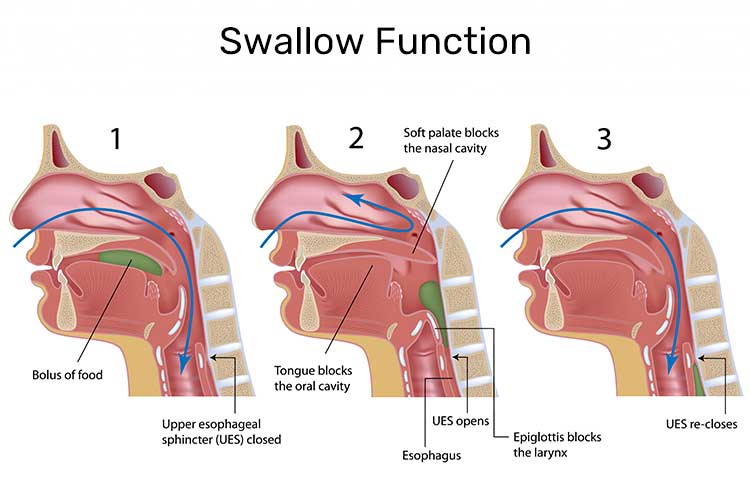
Dysphagia describes problems in ingesting that can occur at different stages of the ingesting process. The causes can range from neurological conditions like stroke or Parkinson's disease to structural abnormalities in the throat or esophagus.
Types of Dysphagia
Oropharyngeal Dysphagia: Difficulty launching swallowing. Esophageal Dysphagia: Feeling of food being stuck in the esophagus.Why is Dysphagia Important?
Understanding dysphagia is crucial for caretakers as it straight impacts a person's quality of life. Appropriate monitoring can assist stop severe health threats associated with lack of nutrition and dehydration.
The Value of Dysphagia Training for Carers
Role of Carers in Taking Care Of Dysphagia
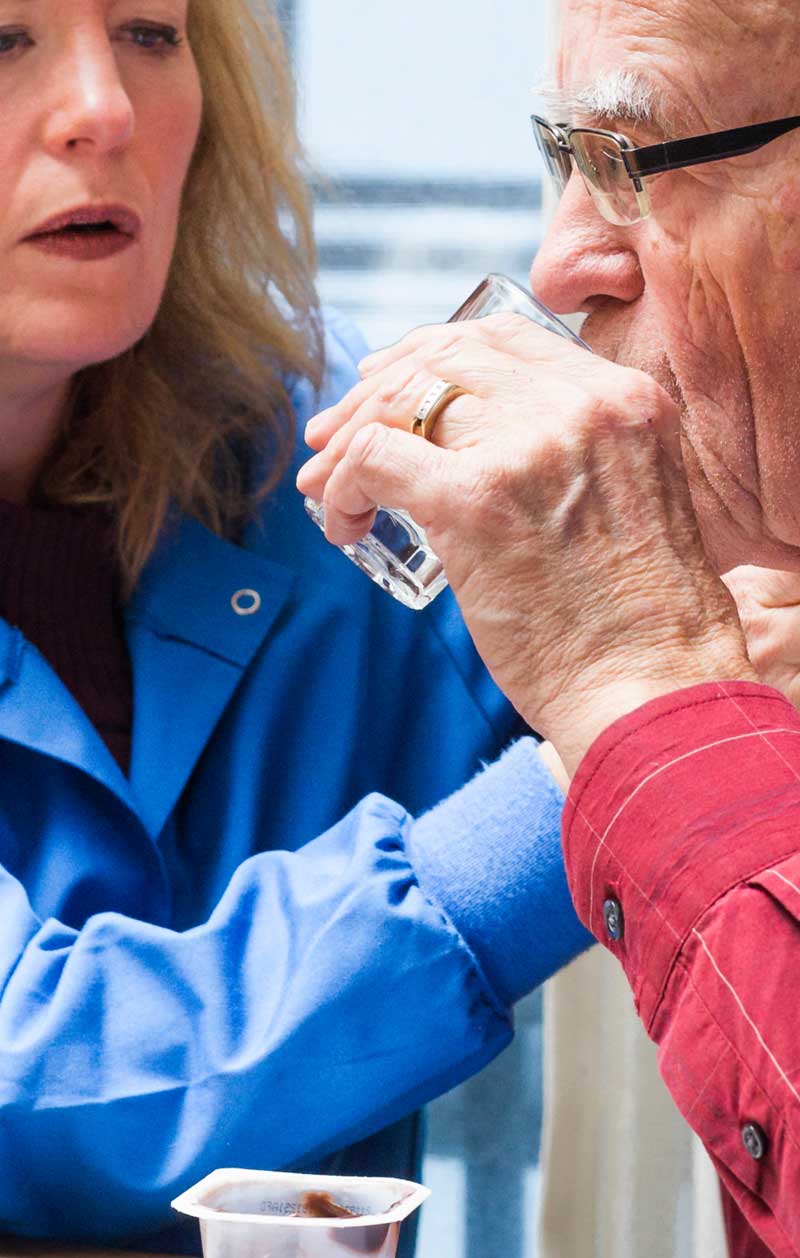
Caregivers usually play an essential duty in tracking and handling dysphagia amongst clients. This includes meal preparation, guidance throughout consuming, and recognizing signs of distress.
Need for Specialized Training
Without appropriate training, caretakers may not recognize the symptoms of dysphagia or execute risk-free feeding approaches. Effective dysphagia care training improves their competency and confidence in handling such situations.
From Theory to Practice: Engaging Dysphagia Training for Carers
Engaging dysphagia training programs connect the gap between academic understanding and real-life application. These programs are designed to supply advanced care training for dysphagia functional skills while gearing up caregivers with evidence-based techniques to handle dysphagic individuals effectively.

Components of an Effective Dysphagia Training Course
Curriculum Development
The curriculum must cover important subjects such as:
- Anatomy and physiology of swallowing Assessment techniques for dysphagia Safe feeding practices Emergency feedback procedures
Interactive Knowing Methods
Utilizing interactive methods like role-playing scenarios or simulation workouts aids reinforce learning by permitting participants to exercise their skills in a risk-free environment.
Incorporating Innovation into Training
Online modules and video tutorials can bolster traditional mentor approaches by using versatile knowing choices that deal with various understanding styles.
Essential Abilities Covered in Dysphagia Care Training
Recognizing Symptoms of Dysphagia
Training must focus on recognizing common signs such as coughing throughout dishes or issues of discomfort while swallowing.
Safe Feeding Techniques
Caregivers learn exactly how to customize food appearances and apply suitable positioning techniques that decrease choking risks.
Dysphagia Training Programs Offered Today
There are many programs readily available today targeted at enhancing abilities relevant to dysphagic treatment:
Online training courses focusing on theory. Hands-on workshops emphasizing functional applications. Specialized components created for registered nurses associated with straight individual care.Dysphagia Training for Registered nurses: A Special Perspective
Nurses play an important component in handling patients with dysphagia. Specialized training can boost their capability to examine risks and implement intervention approaches effectively.
Best Practices in Delivering Engaging Dysphagia Training
Utilizing Real-Life Scenarios
Presenting case studies from real-life experiences enables participants to talk about difficulties they may deal with when caring for people with dysphasia.
Encouraging Peer Communication and Feedback
Creating a joint setting enables learners to share knowledge and experiences while cultivating an encouraging network amongst carers.
Measuring the Effect of Interaction Techniques in Training
Assessment Tools for Reviewing Effectiveness
Implementing pre-and post-training analyses can determine understanding gains efficiently while demonstrating areas needing improvement.
Long-term Follow-up Programs
Establishing follow-up sessions guarantees that caretakers continue exercising their learned skills within their roles over time.
Challenges Faced Throughout Dysphasia Care Training Implementation
While appealing training is essential, several difficulties might occur:
Resistance from personnel that perceive training as unnecessary. Time constraints impacting engagement rates.Addressing these issues via reliable communication methods is essential for successful implementation.
FAQs about Involving Dysphasia Training for Carers
What is the duration of a regular dysphoria training course?- Most training courses range from half-day workshops to full-week programs depending upon depth.
- Caregivers, taking care of staff, member of the family involved in looking after people with dysplasia should attend these trainings.
- Yes! Online courses allow versatility but must be supplemented with functional hands-on experiences.
- Symptoms consist of coughing during dishes, too much drooling, or problem chewing/swallowing.
- It's suggested every 1-2 years due to progressing best techniques in healthcare.
- Many courses offer certificates which can add worth skillfully yet check private course offerings.
Concluding Thoughts on Involving Dysphaia Training
In verdict, effective involvement with well-structured dysphaia training programs equips carers with vital abilities required for providing quality assistance. As awareness proceeds expanding around special challenges positioned by this condition-- investing resources right into extensive education becomes paramount towards enhancing individual end results-- making sure those influenced receive optimum treatment tailored particularly according their requirements whilst enhancing total well-being throughout diverse populations globally!
This long-form post offers understandings right into appealing dysaphgia training practices tailored particularly toward carers highlighting its value along with addressing usual inquiries bordering such initiatives!