Introduction to Dysphagia and Its Importance in Client Safety
Dysphagia, the clinical term for ingesting troubles, is a significant worry in medical care setups, especially amongst senior individuals or those with neurological problems. This problem can bring about severe complications, consisting of ambition pneumonia, poor nutrition, and dehydration. For healthcare specialists, recognizing dysphagia is critical-- not simply for treatment however, for making sure client security. This post delves into just how targeted dysphagia care training boosts person safety and security via extensive education and learning and abilities development.
What Is Dysphagia?
Dysphagia describes problem swallowing, which can originate from numerous causes such as stroke, head and neck cancers, or neurodegenerative conditions. People with dysphagia might experience discomfort while swallowing (odynophagia), a sensation of food being stuck in the throat or upper body, and even coughing throughout meals.
The Value of Comprehending Dysphagia
Understanding dysphagia is important for healthcare providers since it directly influences patient results. Correct interventions can avoid goal and make sure secure feeding practices.
Enhancing Individual Safety With Targeted Dysphagia Care Training
Training programs specifically designed for dysphagia give caregivers with the expertise and skills needed to handle people successfully. These programs gear up team with practical strategies to determine signs of dysphagia early and carry out ideal interventions.
The Duty of Carers in Dysphagia Management
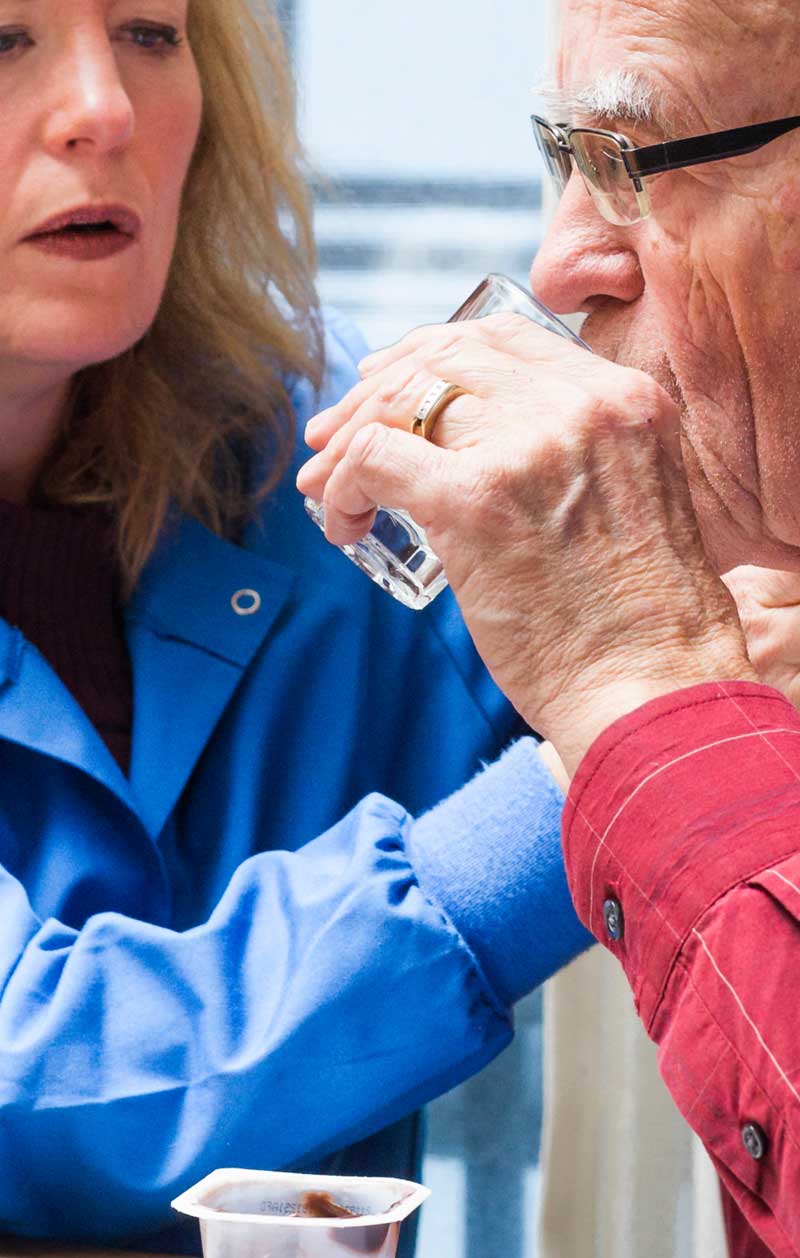
Carers play a necessary role in taking care of dysphagic individuals. They are typically the initial point of call when an individual exhibits indications of swallowing troubles. Therefore, offering targeted dysphagia training for carers helps them recognize early symptoms and react appropriately.
Benefits of Dysphagia Training for Carers
Increased Awareness: Training increases recognition concerning the risks connected with dysphagia. Skill Development: It gears up carers with certain skills to help clients during meals. Enhanced Communication: Efficient communication methods can be educated to help convey essential information between carers and health care professionals.What Does a Common Dysphagia Training Course Include?
An extensive dysphagia training course commonly covers:

- Anatomy of swallowing Identification of risk factors Safe feeding techniques Emergency response protocols
This organized technique permits personnel to get a holistic understanding of the disorder.
Dysphagia Training for Treatment Personnel: A Necessity
Care personnel have to dysphagia training for nurses be trained in identifying and handling dysphagic people. Their everyday communications make them essential in guaranteeing security throughout feeding times.
Essential Abilities Gotten in Dysphagia Training Courses
- Assessment Techniques: Discovering how to examine clients' ingesting abilities. Diet Modification: Understanding exactly how dietary adjustments can accommodate different degrees of ingesting difficulties. Patient Monitoring: Knowing what signs show possible concerns during consuming or drinking.
Dysphagia Training for Nurses: Why Specialized Knowledge Matters
Nurses are at the forefront of individual care and play a critical duty in determining dysphagic individuals early on. Specialized training encourages registered nurses to perform effective evaluations and apply required interventions.
Key Locations Covered in Nursing Dysphagia Training
Clinical Evaluation Protocols: Discovering standard evaluation tools. Intervention Strategies: Creating individualized care plans based on specific client needs. Multi-disciplinary Collaboration: Functioning effectively within multidisciplinary groups to improve person outcomes.The Value of Recurring Education And Learning in Dysphagia Care
Healthcare is ever-evolving, making continuous education crucial. Routine updates on finest practices make certain that care staff remain skilled at taking care of brand-new challenges related to dysphagic patients.
How Continuous Training Improves Client Outcomes
Through continuous education:
- Staff stay notified regarding the most up to date study findings. New strategies end up being included into practice. Patients obtain regularly premium care.
The Impact of Targeted Dysphagia Care Training on Person Safety
Targeted training reduces the risk associated with feeding dysphagic people by improving awareness among all employee involved in their care.
Measuring Boosted Results Post-Training
Post-training analyses typically reveal considerable improvements in:
- Reduction of goal incidents. Enhanced client satisfaction scores. Decreased hospital readmission rates as a result of issues developing from poorly handled dysphagia.
Implementing Reliable Dysphagia Support Equipment within Healthcare Facilities
Creating durable support group within healthcare facilities makes sure that all team member are furnished to take care of situations entailing dysphasia effectively.
Components of a Successful Assistance System
Resource Accessibility: Offering simple access to standards and procedure documents. Regular Workshops: Hosting routine workshops reinforces expertise retention among personnel members. Feedback Mechanisms: Establishing channels where team can report challenges they deal with pertaining to dysphasial management.FAQs Regarding Dysphagia Treatment Training
What is included in a common dysphagia training course?- A typical course includes makeup education and learning, assessment strategies, nutritional alterations, emergency feedbacks, and interaction strategies tailored for handling clients with ingesting difficulties.
- All health care specialists connecting with individuals-- such as nurses, carers, speech therapists-- should undergo this specialized training for effective administration practices.
- Regular re-training sessions must take place each year or bi-annually to maintain updated with brand-new guidelines or techniques established with research study advancements.
- Yes! Family members taking care of individuals with dyslexia in the house can likewise profit significantly from understanding secure practices pertaining to dish prep work and supervision throughout eating times.
5. What are the most usual risks related to untreated dyslexia?

- Risks consist of ambition pneumonia (resulting from food getting in the lungs), malnutrition (due absence thereof), dehydration (from insufficient fluid consumption), social seclusion (due trouble eating around others).
6 * Is there any certification readily available upon completion?
- Many organizations supply certificates after completing their designated programs; these qualifications demonstrate skills gained via concentrated instruction on managing individuals identified together with this condition.
Conclusion
In conclusion, enhancing person safety and security through targeted dysplasia care training is not just useful; it's crucial within modern-day medical care frameworks where every information matters considerably towards boosting general quality-of-care requirements provided throughout centers globally today! By spending time into informing caretakers-- whether they're registered nurses working at medical facilities or personal assistants assisting clients at home-- we pave paths leading towards much safer environments where every person deserves self-respect during nourishment experiences alike!
This write-up functions as a considerable overview right into just how targeted training campaigns around handling problems like dyspraxia directly add in the direction of boosting criteria concerning both scientific technique efficacy & & general patient fulfillment ratings seen throughout numerous fields entailed therein!