Introduction to Dysphagia and Its Significance in Patient Safety
Dysphagia, the clinical term for swallowing troubles, is a substantial problem in health care settings, particularly among senior clients or those with neurological problems. This problem can cause extreme problems, including desire pneumonia, lack of nutrition, and dehydration. For health care specialists, comprehending dysphagia is critical-- not just for treatment but also for guaranteeing person security. This write-up looks into just how targeted dysphagia care training enhances individual safety through detailed education and learning and skills development.
What Is Dysphagia?
Dysphagia describes problem swallowing, which can come from numerous reasons such as stroke, head and neck cancers cells, or neurodegenerative illness. Patients with dysphagia might experience discomfort while swallowing (odynophagia), a feeling of food being stuck in the throat or chest, and even coughing during meals.
The Significance of Comprehending Dysphagia
Understanding dysphagia is vital for doctor since it directly affects person end results. Correct interventions can prevent aspiration and make sure safe feeding practices.
Enhancing Client Safety and security Via Targeted Dysphagia Treatment Training
Training programs especially created for dysphagia give caregivers with the knowledge and abilities needed to manage clients efficiently. These courses furnish personnel with useful techniques to identify signs of dysphagia early and implement suitable interventions.
The Duty of Carers in Dysphagia Management
Carers play an essential function in handling dysphagic individuals. They are frequently the very first factor of call when an individual shows signs of ingesting difficulties. Consequently, supplying targeted dysphagia training for carers aids them recognize very early signs and respond appropriately.
Benefits of Dysphagia Training for Carers
Increased Awareness: Training raises recognition concerning the threats connected with dysphagia. Skill Development: It gears up carers with certain abilities to help individuals during meals. Enhanced Communication: Efficient interaction techniques can be instructed to aid convey important details in between carers and healthcare professionals.What Does a Typical Dysphagia Training Course Include?
A comprehensive dysphagia training course normally covers:
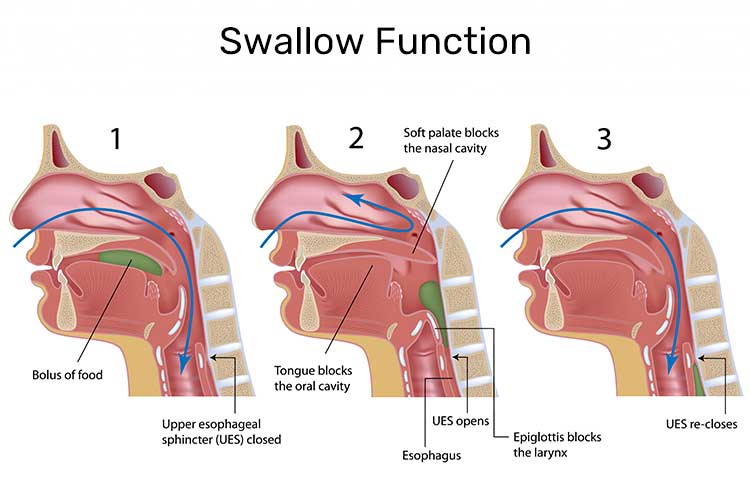
- Anatomy of swallowing Identification of danger factors Safe feeding techniques Emergency action protocols
This structured strategy permits personnel to acquire a holistic understanding of the disorder.
Dysphagia Training for Care Staff: A Necessity
Care personnel need to be well-trained in recognizing and managing dysphagic patients. Their everyday communications make them crucial in making certain security during feeding times.
Essential Abilities Gotten in Dysphagia Training Courses
- Assessment Techniques: Knowing just how to analyze people' ingesting abilities. Diet Modification: Comprehending just how nutritional adjustments can suit different levels of ingesting difficulties. Patient Monitoring: Understanding what signs suggest possible concerns during consuming or drinking.
Dysphagia Training for Registered nurses: Why Specialized Expertise Matters
Nurses are at the center of person treatment and play a crucial duty in recognizing dysphagic Browse around this site individuals early on. Specialized training equips nurses to accomplish effective analyses and execute required interventions.
Key Locations Covered in Nursing Dysphagia Training
Clinical Analysis Protocols: Knowing standardized analysis tools. Intervention Strategies: Creating customized treatment plans based upon individual client needs. Multi-disciplinary Collaboration: Working effectively within multidisciplinary groups to enhance client outcomes.The Value of Ongoing Education in Dysphagia Care
Healthcare is ever-evolving, making continuous education crucial. Routine updates on ideal techniques guarantee that treatment team continue to be proficient at managing new difficulties associated with dysphagic patients.
How Continuous Training Enhances Person Outcomes
Through ongoing education and learning:


- Staff remain informed regarding the latest research study findings. New methods end up being integrated into practice. Patients receive consistently premium care.
The Effect of Targeted Dysphagia Care Training on Person Safety
Targeted training lowers the threat related to feeding dysphagic people by enhancing understanding amongst all team member associated with their care.
Measuring Improved Outcomes Post-Training
Post-training analyses commonly show significant improvements in:
- Reduction of desire incidents. Enhanced person contentment scores. Decreased medical facility readmission rates due to difficulties developing from badly handled dysphagia.
Implementing Reliable Dysphagia Support Solution within Medical Care Facilities
Creating robust support group within health care facilities guarantees that all staff members are geared up to take care of cases involving dysphasia effectively.
Components of a Successful Support System
Resource Accessibility: Supplying easy accessibility to guidelines and protocol documents. Regular Workshops: Holding routine workshops strengthens expertise retention among staff members. Feedback Mechanisms: Developing networks through which staff can report obstacles they deal with related to dysphasial management.FAQs Regarding Dysphagia Care Training
What is consisted of in a common dysphagia training course?- A typical program includes makeup education, assessment strategies, nutritional alterations, emergency actions, and communication strategies tailored for managing individuals with ingesting difficulties.
- All medical care professionals communicating with clients-- such as nurses, carers, speech therapists-- must undertake this specialized training for efficient management practices.
- Regular re-training sessions must happen every year or bi-annually to maintain up-to-date with new guidelines or techniques created through research study advancements.
- Yes! Family members looking after people with dyslexia in your home can likewise benefit significantly from recognizing safe methods regarding meal prep work and supervision during eating times.
5. What are the most usual threats connected with untreated dyslexia?
- Risks consist of desire pneumonia (arising from food entering the lungs), poor nutrition (due absence thereof), dehydration (from insufficient liquid consumption), social seclusion (due difficulty eating around others).
6 * Is there any type of accreditation offered upon completion?
- Many institutions offer certificates after completing their assigned courses; these accreditations show capability obtained through focused direction on managing people detected alongside this condition.
Conclusion
In verdict, boosting person safety and security through targeted dysplasia treatment training is not simply useful; it's necessary within contemporary health care frameworks where every information matters considerably towards boosting general quality-of-care requirements provided throughout centers globally today! By investing time right into educating caregivers-- whether they're nurses working at healthcare facilities or individual assistants aiding clients in the house-- we pave paths leading toward much safer atmospheres where every person is worthy of self-respect during mealtime experiences alike!
This write-up serves as a considerable guide right into just how targeted training campaigns around managing conditions like dyspraxia straight add in the direction of raising standards regarding both clinical method effectiveness & & general person fulfillment ratings seen throughout numerous industries included therein!